Gaming Style Text Effect Template: What to Know Before Choosing One
When you are working on gaming-related visuals—whether for a stream overlay, a YouTube thumbnail, a poster, or a social media banner—the way text looks can determine whether a viewer stops scrolling or keeps moving. A Gaming Style Text Effect Template offers a pre-built, customizable way to give your text a fiery, glowing aesthetic that aligns with gaming culture. But not every template fits every project, and understanding what these templates actually deliver, where they fall short, and how to evaluate them will help you make a more informed choice.
What a Gaming Style Text Effect Template Actually Is
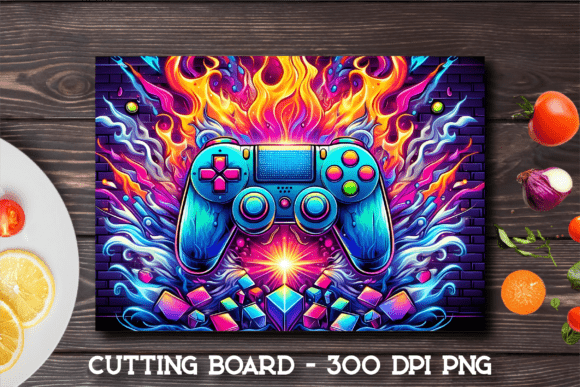
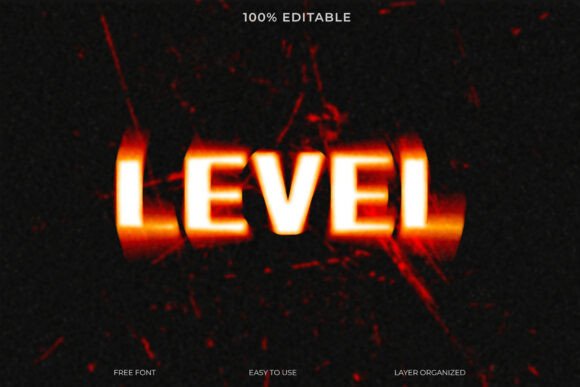
A Gaming Style Text Effect Template is a digital resource—typically a file for software like Adobe Photoshop, After Effects, or even Canva—that applies a specific set of visual effects to text. The defining characteristics of this style include a fiery or neon glow, often with gradient fills, sharp edges, and layered shadows that create a sense of depth and intensity. The template is designed to be dropped into a project, edited with your own text, and rendered without needing to build the effect from scratch.
These templates often come with layer styles, blending options, and sometimes animation presets. The fiery, glowing look is achieved through combinations of inner and outer glows, color overlays, and bevel effects. The result is text that appears lit from within or surrounded by a halo of light, which fits the visual language of game titles, esports branding, and action-oriented graphics.
It is important to distinguish between a static text effect template, which works for print or static images, and an animated template, which is used for video intros or motion graphics. The term Gaming Style Text Effect Template can refer to either, so knowing which format you need is a first step in evaluation.
Why Someone Might Consider Using One
The primary appeal of a Gaming Style Text Effect Template is efficiency. If you have ever tried to replicate a fiery glow manually in a graphics editor, you know it involves careful adjustments to multiple layers, color sampling, and trial-and-error with blur settings. A template removes that guesswork. It gives you a starting point that already looks polished, and you only need to replace the placeholder text.
Another reason is consistency. If you are producing a series of graphics—for example, weekly tournament banners or a set of character introduction cards—using the same template ensures every piece of text looks uniform. This builds a recognizable visual identity, which is valuable for streamers, gaming communities, and indie game developers.
Additionally, these templates often include elements that are hard to create from scratch without a deep understanding of lighting and color theory. The multi-layered glow effects in a high-quality template can mimic real-world light behavior in a way that looks professional, even if you do not have formal design training.
Benefits, Tradeoffs, and What to Expect
One clear benefit of using a Gaming Style Text Effect Template is the time saved. A project that might take an hour or more to set up from scratch can be completed in minutes. This is especially useful when you are working under tight deadlines or need to produce multiple variations of the same graphic.
Another benefit is the visual impact. A fiery, glowing text effect naturally draws the eye. It conveys energy, urgency, and a sense of excitement. For gaming content, where competition and action are central themes, this visual language reinforces the message. It also tends to stand out against dark backgrounds, which are common in gaming visuals, making the text more readable without sacrificing style.
However, there are tradeoffs. The most significant is customization limits. Even though templates are marketed as customizable, the underlying structure—the arrangement of glow layers, the color palette, the intensity of the effect—may be difficult to change in fundamental ways. If your project requires a pastel or muted aesthetic, a fiery template will look out of place. Stretching a template too far from its original design can result in a disjointed appearance.
Another tradeoff is file size and software dependency. Many high-quality templates are built for specific software versions. A template created for Photoshop CC 2024 may not work properly in older versions or in alternative editors. This can lead to missing layers, broken effects, or unexpected rendering errors. It is worth checking the compatibility requirements before committing to a purchase or download.
There is also the issue of originality. Because templates are distributed widely, the same look can appear across many projects. If you are building a brand that relies on uniqueness, relying entirely on a template may not serve your long-term goals. Combining a template with custom adjustments—such as altering the color gradient, adding a unique texture, or integrating it with custom illustrations—can help differentiate your work.
Situations Where a Gaming Style Text Effect Template Is a Strong Fit
There are several scenarios where using this type of template makes practical sense:
- Stream overlays and alerts: When you need text that pops on screen during a live broadcast, a glowing text effect ensures your username, donation alerts, or subscriber notifications are visible and energetic.
- Game title graphics for social media: If you are announcing a game, a mod, or a tournament, a fiery text effect can convey the tone of competition or adventure without needing custom artwork.
- Esports team branding: Team names and player tags often benefit from a bold, illuminated style. Using a template allows you to produce consistent graphics for rosters, schedules, and match results.
- Thumbnail text for video platforms: YouTube and Twitch thumbnails rely on high-contrast, readable text. A glowing effect helps the title stand out even at small thumbnail sizes.
- Quick prototyping: If you are testing different visual directions for a project, a template lets you see how a fiery text style looks in context without a heavy time investment.
In these situations, the template provides a clear return on effort. You get a professional-looking result quickly, and the visual style aligns with audience expectations for gaming content.
When Alternatives May Be Worth Considering
There are also situations where a Gaming Style Text Effect Template may not be the best choice, and exploring alternatives could serve you better:
- Non-gaming contexts: If your project is educational, corporate, or minimalist, a fiery glow can feel out of place. A clean sans-serif or a subtle shadow effect may communicate more effectively.
- Highly custom branding: If your brand has a specific color palette or a unique visual identity that does not include neon or fire, modifying a template to match can be more work than building from scratch.
- Print projects with strict color requirements: Glow effects that rely on screen luminance may not translate well to CMYK printing. If you are designing for print, a different text treatment may yield more predictable results.
- Accessibility concerns: Fiery text effects can reduce contrast, making text harder to read for individuals with visual impairments. If accessibility is a priority, you may need to pair the effect with a solid background or a more readable fallback style.
- Budget constraints: While many templates are affordable, some premium templates can cost as much as a month of a design software subscription. If you only need one graphic, a free alternative or a manual approach may be more practical.
In these scenarios, you might consider alternatives such as creating a custom text effect using software tutorials, using a simpler preset that comes with your design tool, or hiring a designer for a single asset. Each option has its own tradeoffs in terms of cost, time, and control.
Practical Decision-Making Insights
When evaluating whether a Gaming Style Text Effect Template aligns with your goals, start by clarifying the output medium. A template designed for video may include motion presets that are unnecessary for a static poster, and a static template may not include the frame-by-frame layers needed for animation. Matching the template format to your deliverable prevents rework later.
Next, examine the level of editability. Look for templates that separate each visual element into its own layer. This allows you to adjust the glow intensity, change the color gradient, or replace the texture without breaking the overall effect. Templates that flatten effects into a single smart object are less flexible and harder to repurpose.
Consider your skill level as well. If you are new to design software, a template with clear documentation, video instructions, or a simple interface will reduce frustration. If you are experienced, you may prefer a template that offers raw layer styles so you can tweak each parameter directly.
Another factor is the license. Some templates are free for personal projects but require a commercial license for use in monetized content. If you plan to use the template on a YouTube channel with ads, a Twitch stream with subscriptions, or a game that is sold, verify the licensing terms upfront. Ignoring this can lead to legal issues or require you to replace graphics later.
Finally, test the template in your actual workflow before committing to a series of graphics. Download a sample version if available, or create a single test graphic. This reveals any compatibility issues, rendering problems, or style mismatches early, saving you time and frustration.
Determining Whether a Gaming Style Text Effect Template Aligns with Your Needs
The decision to use a Gaming Style Text Effect Template comes down to a balance between speed, visual impact, and flexibility. If your project values quick turnaround and a bold, energetic appearance, and if the fiery, glowing aesthetic matches the tone of your content, then this type of template is a practical tool. It reduces the gap between your idea and a polished output, especially when you are working without a dedicated design team.
If your priorities lean toward originality, specific brand alignment, or accessibility, you may find that the template imposes constraints that do not serve your goals. In that case, investing time in a custom approach or exploring different text styles may yield a more suitable result.
There is no universal right answer. What matters is that you evaluate the template based on your specific context: the medium, the audience, the brand identity, and the resources available. By understanding what a Gaming Style Text Effect Template offers and where its limits lie, you can decide whether it is the right tool for your next project or whether another path will take you further.