Mouse Pad Mustache: Why Detail-Oriented Design Matters for Your Workspace
When you spend hours at a computer—whether for work, gaming, or creative projects—the tools you use matter more than you might think. A mouse pad seems simple, but the wrong choice can quietly undermine your comfort, productivity, and even the look of your desk. That is where the concept of a Mouse Pad Mustache comes into play. It is not about facial hair or gimmicks. It is about precision, personality, and the subtle details that separate a forgettable accessory from a genuinely useful piece of your setup. This article walks through the real decisions you face when choosing or using a custom mouse pad, especially one with a sublimation print, so you can avoid the common pitfalls that lead to wasted money, poor performance, or a workspace that just does not feel right.
Understanding What a Mouse Pad Mustache Really Offers
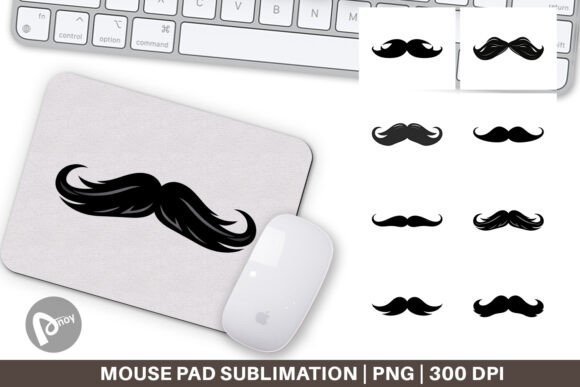
A Mouse Pad Mustache is, at its core, a creatively designed mouse pad that combines aesthetic appeal with functional quality. The term has grown to describe a style of pad where the artwork integrates cleverly with the shape or placement—sometimes featuring a mustache graphic, sometimes referring to the "mustache" of a design that extends elegantly across the surface. The real value, however, lies in the sublimation printing process. Unlike cheap screen-printed pads that crack or fade, sublimation dyes the polyester fabric directly, giving you vivid, permanent color that withstands daily use. Many people assume all printed mouse pads are the same. That is the first misunderstanding.
The Difference Sublimation Makes
Sublimation means the ink becomes part of the material rather than sitting on top. For a Mouse Pad Mustache, this translates into crisp edges, consistent color, and a surface that feels smooth rather than tacky. If you have ever bought a pad with a design that peeled after a few weeks, you were likely dealing with a transfer print, not sublimation. That distinction affects not just longevity but also mouse tracking. A bumpy or peeling surface can cause your optical sensor to stutter, especially during fast-paced gaming or detailed design work. Always verify the printing method before you buy.
Common Missteps When Choosing a Custom Sublimation Mouse Pad
People often focus entirely on the design image and forget about the physical properties of the pad itself. That mismatch leads to disappointment. Below are the most frequent mistakes and how to sidestep them.
- Ignoring thickness and density. A thin, flimsy pad slides around your desk and bunches up under your wrist. Look for a pad with a rubber base that is at least 3mm thick. It stays put and provides actual support.
- Choosing a design that clashes with your workflow. A beautiful but busy pattern can distract you when you are trying to focus. Neutral or asymmetrical designs often work better for productivity, while bold graphics suit gaming setups where the pad doubles as decor.
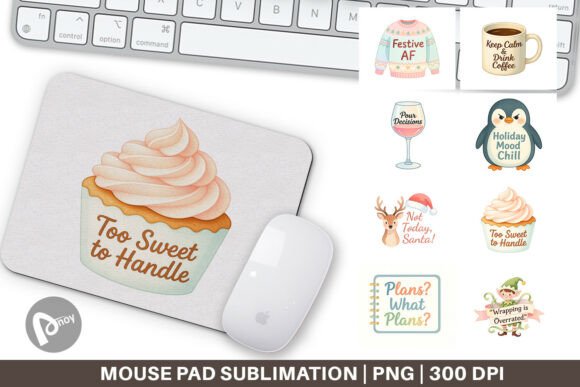
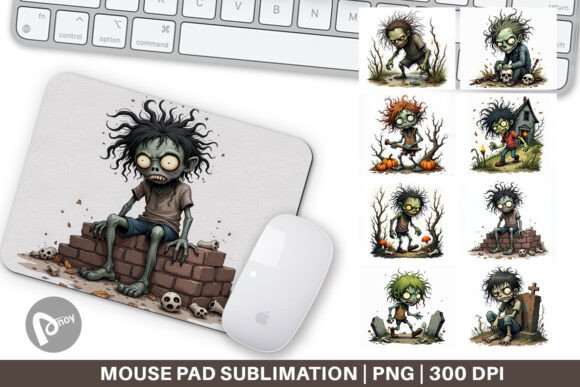
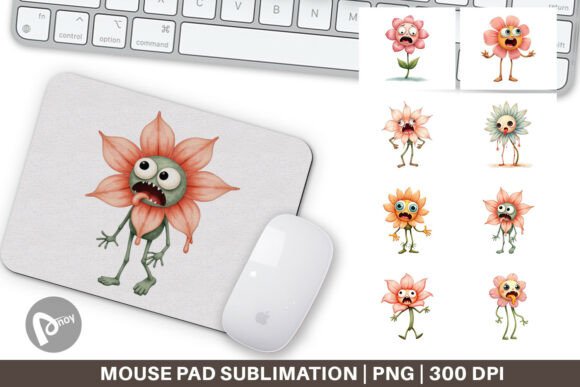
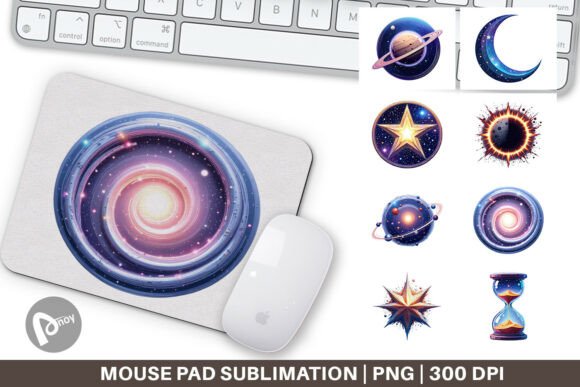
- Overlooking the file specifications. You receive a PNG file 8 File Png 9,5 x 8,1 inches 300 dpi. That resolution matters. If you try to resize it beyond its native dimensions, the edges will pixelate. Use the file at its intended size for the sharpest result.
- Assuming all sublimation pads have the same glide. The fabric top varies. Some offer a speed surface for quick mouse movements, while others provide control for precision. Test your mouse on a similar surface if possible, or read reviews that mention glide specifically.
How These Mistakes Affect Your Daily Experience
Using a mouse pad that does not fit your needs is not a catastrophic problem, but it creates small friction that adds up. A pad that slips forces you to adjust it constantly, breaking your flow. A design that bleeds or fades makes your workspace look unprofessional, which matters whether you are hosting a video call or streaming your game. A surface that is too fast or too slow forces your hand to compensate, leading to fatigue over a long session. The goal is not perfection—it is eliminating unnecessary annoyances so you can focus on what you are actually doing.
Practical Advice for Getting the Most Out of Your Mouse Pad Mustache
You can avoid the common problems by shifting your approach from "buy a cool design" to "choose a quality tool that happens to look great." Here is how to do that.
- Match the pad size to your desk and your movement style. A small pad works for basic office tasks, but if you game or edit video, give yourself at least 12 by 10 inches of space. The 9.5 x 8.1 inch PNG file you receive is a solid medium size, but verify it fits your desk layout.
- Check the edge finishing. Look for stitched edges, not raw cut. Stitching prevents fraying and keeps the pad flat. Raw edges curl up over time, especially in humid conditions.
- Clean your pad regularly without damaging it. Sublimation ink is durable, but abrasive scrubbing can wear down the fabric. Use a damp microfiber cloth and mild soap. Avoid bleach or alcohol-based cleaners.
- Use the PNG file correctly. Since you receive a 300 dpi image at 9.5 x 8.1 inches, do not enlarge it in a raster editor. If you need a larger pad, ask the seller for a scalable vector version or a higher-resolution file. Stretching a PNG creates fuzzy edges that ruin the clean look you paid for.
What to Check Before You Buy or Download
Before committing to a specific Mouse Pad Mustache design, take a few minutes to confirm a handful of details. First, read the product description for the base material. A natural rubber base is non-slip and eco-friendly, while synthetic foam may have a chemical smell initially. Second, look for customer photos that show the pad on an actual desk. Stock images can hide flaws like color shifts or uneven printing. Third, consider the color of your desk surface. A dark pad on a dark desk can look great, but a light pad on a white desk may show dirt and stains more easily. Fourth, think about the orientation of the design. Some pads are designed for landscape use; others work vertically. The PNG file dimensions (9.5 x 8.1 inches) are almost square, so the composition should work in either orientation, but it is worth confirming.
A Note on Personalization and Professional Use
If you are a freelancer or small business owner, your mouse pad can serve as subtle branding. A sublimation print with your logo or a tasteful graphic related to your work reinforces professionalism without being overt. The same is true for educators and bloggers who use their workspace as a background for videos or photos. A well-designed pad adds visual interest without shouting. The trick is to choose something that feels personal but not distracting. That is where the Mouse Pad Mustache concept shines—it brings character to your desk while maintaining the practical qualities you need.
Why Comfort and Aesthetics Go Hand in Hand
There is a mistaken belief that a productive workspace must be utilitarian and boring. In reality, an environment that pleases you visually can boost your mood and focus. A mouse pad with an attractive design that you actually like looking at is not a luxury—it is a low-cost way to make your desk feel like yours. The comfort comes from the pad's physical properties: the right thickness, a smooth glide, and a non-slip base. The aesthetic comes from the sublimation print that stays vibrant. When both are done well, you stop noticing the pad and just work better. That is the whole point.
Whether you are a gamer looking for a fast surface, a creator who spends hours editing, or a student setting up your first real desk, the details of your mouse pad matter. Do not settle for a generic option that fails on either function or appearance. A carefully chosen Mouse Pad Mustache with proper sublimation printing gives you the best of both worlds—durability, precision, and a workspace that reflects your style. Take the time to evaluate thickness, size, edge quality, and file resolution before you purchase. Your wrists, your mouse, and your daily workflow will thank you.