Capybara Gaming Design for Sublimation Projects
If you work with sublimation, you know that finding the right design can make or break a project. The image needs to hold up at scale, print cleanly on different surfaces, and connect with the people who will wear or use it. Recently, a niche design theme has been gaining quiet traction: Capybara Gaming. At first glance, it might seem like just another animal illustration with a gaming twist. But the capybara brings something different to the table, and if you are evaluating design options for your next run of T-shirts, mugs, or other sublimated products, this is a style worth understanding on its own terms.
This article walks through what Capybara Gaming art offers, how it compares to other popular sublimation design categories, where it fits best, and when you might want to look elsewhere. The goal is to help you make a more informed decision, whether you are a print-on-demand seller, a small shop owner, or someone planning a one-off custom gift.
What Makes Capybara Gaming Design Distinct
The capybara itself is an unusual choice for a gaming-themed illustration. Unlike wolves, dragons, or anime-style characters that dominate much of the gaming art space, the capybara has a calm, almost stoic presence. It does not look aggressive or intense. Instead, it carries a relaxed, slightly amused expression that feels approachable and unintimidating. When combined with gaming elements, the contrast creates a visual personality that stands apart from more conventional designs.
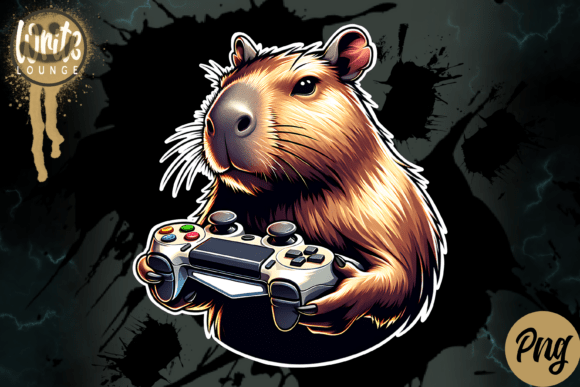
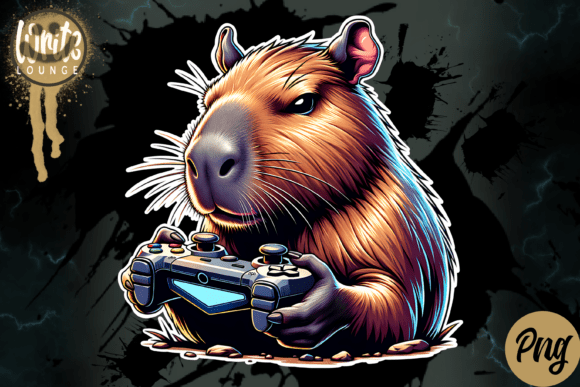
Capybara Gaming illustrations typically show the animal posed with a controller, wearing headphones, or surrounded by gaming motifs like pixel effects, joysticks, or retro arcade details. The art style tends to be clean and graphic, often with bold outlines, flat colors, and a playful but not childish tone. The capybara is usually drawn in a semi-realistic or stylized way that keeps it recognizable while fitting the gaming theme.
What makes this distinct from, say, a gaming cat or a gaming dog design is the capybara's cultural associations. Online communities have embraced the capybara as a symbol of chill, unbothered energy. It is an animal that seems to exist outside of stress or competition. Putting that animal into a gaming context creates a playful contradiction: a creature that embodies relaxation, now holding a controller like everyone else. That contradiction is where the design gets its appeal.
Comparing Capybara Gaming with Other Sublimation Design Styles
When you evaluate Capybara Gaming against other common sublimation design categories, a few key differences stand out. These comparisons are not about which is better, but about understanding where each style fits different audiences and product types.
Versus Esports and Competitive Gaming Art
Esports-themed designs rely on sharp angles, aggressive typography, and imagery that suggests speed, skill, and intensity. They appeal to fans of competitive gaming who want to signal their involvement in that scene. Capybara Gaming takes the opposite approach. It is not trying to look fast or fierce. It is more likely to appeal to someone who plays games casually, enjoys the culture without the competitive edge, or simply likes the irony of a relaxed animal in a gaming setting. If your audience is the competitive gaming crowd, a Capybara Gaming design may feel too gentle. If your audience includes casual players or people who enjoy gaming humor, it can be a stronger fit.
Versus Cute Animal Gaming Designs
Cute animal gaming art is everywhere: cats with controllers, dogs in headsets, chibi-style creatures holding joysticks. These designs lean into kawaii aesthetics with big eyes, soft colors, and exaggerated cuteness. Capybara Gaming shares the animal-plus-gaming premise, but its visual tone is different. The capybara is not typically drawn in a cutesy way. Its charm comes from its deadpan expression and natural posture, not from exaggerated features. This makes Capybara Gaming suitable for adults who want something playful but not overly sweet. For products aimed at younger children, a traditional cute animal design might work better. For teens and adults who appreciate understated humor, Capybara Gaming can be a more fitting choice.
Versus Retro or Vintage Gaming Designs
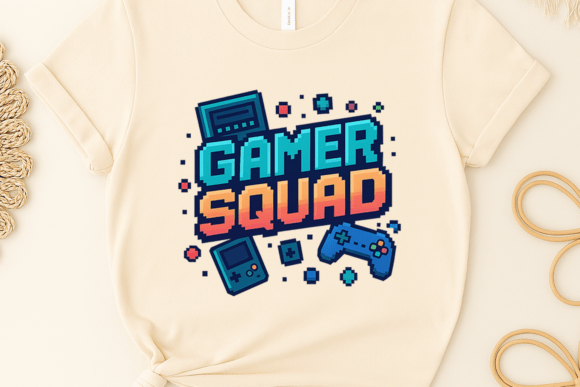
Retro gaming designs rely on nostalgia: pixel art, old console silhouettes, and references to games from the 1980s and 1990s. They evoke a specific time period and resonate with people who grew up during those decades. Capybara Gaming does not depend on nostalgia. It is a contemporary concept that draws from current internet culture and meme references. If your project is targeting people who love retro gaming specifically, a Capybara Gaming design may miss that connection. But if your audience enjoys modern gaming culture and online humor, it can feel more relevant and timely.
Strengths and Tradeoffs of Using Capybara Gaming Art
Every design choice has tradeoffs. Understanding them helps you decide whether Capybara Gaming fits your specific project.
Strengths
- Unique visual identity. In a market full of wolves, dragons, and cats, the capybara stands out. It is not a common choice, which can help your products feel fresh and different.
- Broad age appeal among adults. The humor is subtle enough to work for people in their twenties through their forties. It does not rely on references that only younger audiences would understand.
- Works well on multiple products. Because the illustration style is clean and high contrast, it transfers well to both light and dark substrates. Mugs, T-shirts, hoodies, and even mouse pads can carry the design effectively.
- Conversation starter. The capybara has a recognizable but not overused presence online. People who know the meme culture around the animal will appreciate the reference, which can make the product more engaging.
- High resolution and print readiness. Quality Capybara Gaming designs typically come as PNG files with 300 dpi resolution and pixel sizes over 4000 by 4000 pixels. This means they scale cleanly on large prints and hold detail on smaller items.
Tradeoffs
- Niche recognition. Not everyone will recognize the capybara or understand the cultural reference. For audiences outside of internet-aware circles, the design may just look like a random animal with a controller.
- Limited audience for serious gaming. If you are selling to hardcore gamers who want intense, competitive imagery, this style will not resonate. It is a casual, humorous take on gaming, not a serious one.
- Trend sensitivity. The capybara's popularity is partly driven by online trends. While the animal has had a long presence in meme culture, trends can shift. Designs based on current internet humor may have a shorter shelf life than more timeless gaming art.
- Not ideal for children's products. The appeal of this design is rooted in its subtle irony, which younger children may not pick up on. For kids under ten, a more straightforward cute animal design might be a better fit.
Best-Fit Situations for Capybara Gaming Designs
Based on its strengths, Capybara Gaming art tends to work best in specific scenarios. If your project matches one or more of these situations, it is worth considering this design style seriously.
- Casual gaming apparel. T-shirts and hoodies for people who play games but do not identify with the competitive esports scene. The design says "I play games, but I am here to relax," which resonates with a large segment of gamers.
- Gift items for internet-aware adults. Mugs, coasters, and other small sublimated items work well when the recipient recognizes the capybara reference. It becomes an inside joke that adds value to the product.
- Small batch or niche products. If you want to test a design that is different from mainstream options, Capybara Gaming offers a lower-risk way to stand out. The uniqueness of the animal itself can attract attention without requiring a big marketing push.
- Stores or brands with a humor-driven identity. If your brand voice is playful, laid-back, or slightly ironic, this design aligns naturally. It reinforces that tone without needing additional text or explanation.
- Products aimed at teen and adult co-players. Many adults play games with their partners or friends. A Capybara Gaming design works as a shared reference point that feels inclusive rather than exclusive.
When to Consider Alternatives
There are also clear situations where a different design direction would serve you better. Being honest about these limits helps you avoid wasted production runs and disappointed customers.
- Targeting competitive esports fans. If your audience expects bold, high-energy visuals, a Capybara Gaming design will feel out of place. Look for art with sharper lines, dynamic poses, and a more intense color palette.
- Selling to very young children. Kids under ten tend to respond better to designs that are overtly cute or feature characters they recognize from mainstream media. The capybara's subtle humor may not translate.
- Building a brand around nostalgia. If your product line depends on retro gaming references, stick with pixel art, classic console imagery, and throwback typography. Capybara Gaming is a contemporary concept and will not reinforce that nostalgic identity.
- Producing high-volume, mass-market items. For products sold in large quantities to a broad audience, a more general animal gaming design might have wider appeal. Capybara Gaming is best for niche marketing where the specific reference adds value.
- Projects requiring a serious or professional tone. Workplace gifts, corporate merchandise, or formal event items should avoid anything that reads as meme-adjacent. Save the capybara for personal or casual products.
Decision Factors for Your Next Project
When you are comparing Capybara Gaming with other design options, a few practical factors can guide your choice. These are not rigid rules, but they help clarify whether this style aligns with your goals.
Audience Knowledge
Does your target customer know what a capybara is and find the reference amusing? If you are selling to internet-savvy adults, the answer is probably yes. If you are selling to people who do not spend much time online, the design may lose its intended effect.
Product Type
Large format items like hoodies and T-shirts benefit from the capybara's clean, bold lines. Small items like keychains or pins may lose detail unless the design is simplified. Check the PNG resolution before committing. With 4000 by 4000 pixel files at 300 dpi, you have plenty of room to scale down without losing sharpness, but scaling up beyond that range may require vector conversion.
Color Palette
Capybara Gaming designs often use natural browns, greens, and soft accent colors for the gaming elements. This palette works well on white, black, and heather gray substrates. If your product line uses bright, saturated colors, you may need to adjust the design to maintain contrast.
Shelf Life
Consider how long you want the design to remain relevant. Capybara Gaming has a stronger cultural footing than most meme-based designs because the animal itself has been popular in online communities for years. However, it is not as timeless as a simple geometric pattern or a classic gaming symbol. If you are producing for a limited run, this is less of a concern. If you want evergreen inventory, understand that the design may lose some of its punch as internet culture evolves.
Realistic Examples and Practical Considerations
Imagine you are preparing a small drop of five T-shirt designs for a casual gaming audience. One of those designs is a Capybara Gaming illustration showing the animal sitting cross-legged on a sofa, wearing over-ear headphones, holding a wireless controller, with a small speech bubble that says nothing. The rest of the design is clean white space with simple pixel accents around the border. That design is likely to attract people who appreciate the calm, mildly absurd energy of the capybara. It will not appeal to everyone, but the people who like it will probably like it a lot.
Now compare that to a design of a wolf wearing a hoodie and holding a glowing controller. The wolf design targets a different emotional register: intensity, focus, and maybe a hint of rebellion. Both designs can sell, but they speak to different segments of the same market. The capybara version is for the person who plays games to unwind. The wolf version is for the person who plays to compete. Neither is wrong, but knowing which customer you are serving makes the choice clear.
From a production standpoint, the quality of the file matters. A PNG file at 300 dpi with pixel dimensions over 4000 by 4000 gives you reliable results for sublimation printing. You can print at full size on a T-shirt or scale it down for a mug without worrying about pixelation. That technical quality is not unique to Capybara Gaming, but it is worth confirming before you purchase any design. A great concept loses its value if the file is low resolution.
Another practical point is test printing. If you are new to this design style, run a single sample before committing to a batch. See how the capybara's fur texture and facial expression translate to your substrate. Some capybara illustrations use subtle gradients that may shift on different materials. A quick test print saves time and money.
Ultimately, Capybara Gaming is a design option that makes the most sense when you value distinctiveness over broad appeal, when your audience appreciates understated humor, and when the product itself is meant for casual, everyday use. It is not a universal solution, but for the right project, it brings a combination of personality and clarity that is hard to find in more generic gaming art. The best decision comes from understanding what your project needs and whether this design can deliver that specific value.